Can Short Videos Really Build Trust?
 David Zenler
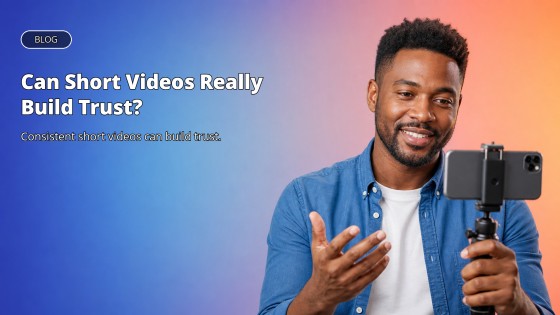
Short videos can build trust when they are useful, repeated and honest. Here is how to make them work for your course business.
Can Short Videos Build Real Trust?
Yes, short videos can build trust. They do it in small pieces. A single clip rarely makes someone ready to buy a course, but a steady pattern of useful, honest videos can help people feel that you understand their problem and can teach clearly.
The mistake is expecting one short video to do the job of a full relationship. That is too much pressure. Short videos are little trust signals. They show your face, your thinking, your examples and your way of explaining things. Over time, those signals add up.
This matters for course creators because people are not only buying information. They are choosing a guide. They want to know whether your teaching feels clear, grounded and human before they take the next step.
What Trust Looks Like In Short-Form Content
Trust does not always look dramatic. Sometimes it is a viewer saving a post because your explanation finally made sense. Sometimes it is a quiet profile visit, an email sign-up or a reply that says, "I needed this."
A short video builds trust when it makes a small promise and keeps it. If your hook says you will explain why students do not finish modules, the video should answer that exact point. Do not wander into your whole life story unless it genuinely helps.
Trust also comes from tone. You do not need to sound loud, glossy or over-rehearsed. Many learners prefer a calm voice that explains the next step plainly.
The Three Jobs Of A Trust-Building Short Video
- Make the viewer feel seen. Name the real problem, not a vague topic. "Your students are not lazy" is stronger than "Engagement tips."
- Give one useful shift. Correct a common assumption, show a tiny demonstration or share a practical check.
- Make the next step feel natural. That could be reading a guide, joining your email list or watching a fuller training.
You do not need to sell hard in every clip. In fact, trust often grows faster when the video is genuinely useful before it asks for anything.
For a bigger view of audience-building, read The Power of Social Media. It sits naturally alongside this approach.
Why Consistency Matters More Than Perfection
One polished video can look impressive. A consistent run of helpful videos tells people what they can expect from you. That is where trust starts to feel real.
Consistency does not mean posting every day until you resent your phone. It means showing up with a recognisable point of view. If you teach course creators how to launch, keep returning to launch problems, launch examples and launch decisions. Let people connect you with the problem you solve.
This is not an overnight success. You are building memory in the audience. Each clear video gives them another reason to remember you when the problem becomes urgent.
How To Avoid Sounding Fake On Camera
Do not perform a personality you cannot maintain. If you are thoughtful, be thoughtful. If you are direct, be direct. If you are naturally warm, let that show. The camera does not require a different human.
Prepare the idea, not every breath. A simple note with three beats is often enough: problem, better way, next step. That keeps the video focused while still sounding alive.
If you feel stiff, speak to one person. Imagine a real student asking the question. Your answer will usually become clearer and more natural.
If you want the next step after attention, AI for Content Creators: Plan, Script, Produce Faster can help you connect useful content with real leads.
Turn Short Videos Into A Trust Path
Short videos are stronger when they connect to a larger journey. A clip can introduce a problem. A blog post can explain it properly. An email can share an example. A workshop can show the method. A course can guide the full result.
That path matters because attention fades when there is nowhere useful to go. Give people a next step that matches the video. If the clip is about improving course completion, link to a guide or checklist on student engagement rather than a random sales page.
Keep your eyes open for repeated questions. Those questions tell you which short videos deserve a deeper follow-up.
How This Supports Course Sales
Content is not only there to collect attention. For a course creator, good content should help the right person move from mild interest to clear belief. They need to believe you understand the problem, can explain it simply and have a sensible next step for them.
That does not mean every post needs a heavy sales pitch. Often the best move is quieter: answer a real question, show a small result, then point people toward the next useful resource. This could be a blog post, a free workshop, a checklist or a course page when the timing is right.
The key is alignment. The topic, example, call to action and offer should all feel connected. When that happens, your content stops feeling random and starts becoming a pathway. People can see how one piece of help leads to the next.
Practical Checklist
- Name the exact learner problem before choosing the format
- Keep one clear promise in each post, video or article
- Use examples from real course, coaching or membership situations
- Give people a next step that matches the help you just gave
FAQ
Do short videos build trust or just get views?
Short videos can do both, but views alone are not the goal. Trust grows when the videos are useful, consistent and connected to a clear next step.
How often should course creators post short videos?
Choose a rhythm you can keep while maintaining quality. Three useful videos a week can be better than daily clips that feel rushed or generic.
What should I say in short videos?
Answer one specific question your ideal learner already has. Use a clear problem, one practical insight and a simple next step.
Do I need to be confident on camera first?
No. Camera confidence comes from practice. Start with short, clear videos and improve as you go.
Related Posts
These New Zenler posts can help you build a clearer content and marketing path:
- The Power of Social Media
- AI for Social Media Growth for Creators
- AI for Content Creators: Plan, Script, Produce Faster
- The Most Effective Organic Lead Generation Strategy
Your Next Step
Choose one piece of content you planned to make this week and sharpen the job it needs to do. Make it useful first, clear second and promotional only when the next step genuinely helps the reader.
Categories: : Online Course Creation
Copyright © 2026 Zenler. All rights reserved.
Terms | Privacy Policy | Cookie Policy | Support