AI Newsletter Writing for Course Creators
 David Zenler
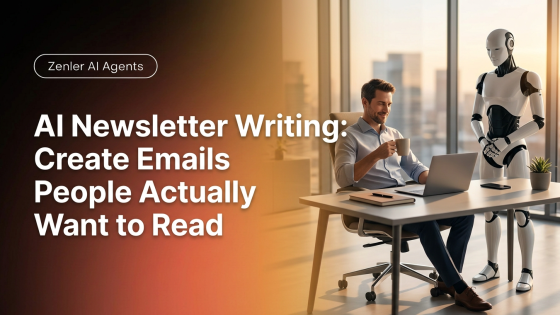
Learn how AI can help course creators generate newsletter ideas, organize sections, improve clarity and keep a personal voice.
A great newsletter doesn't feel like marketing. It feels like hearing from someone whose emails you're genuinely pleased to see. AI can help you write newsletters faster, but the reason people keep opening them is still you.
Emails People Actually Want To Read
I'll let you into a little secret. Most newsletters are boring. Not because the person writing them isn't knowledgeable. Because they're trying too hard to sound like a business.
Corporate language. Long introductions. Generic advice. No personality. No stories. No reason to keep reading.
The newsletters I always enjoy are different. They feel like someone has sat down to write a personal email. That's exactly how I think newsletters should feel. AI can absolutely help with that. As long as you don't let it take over.
Quick answer: AI newsletter writing helps creators generate ideas, organize sections, improve clarity, repurpose content, draft subject lines, and maintain a consistent publishing schedule while keeping personal stories, opinions, and personality at the centre.
Your Newsletter Isn't A Brochure
One mistake I see regularly is treating newsletters like product catalogues. Every email becomes another promotion. Another launch. Another discount.
People don't subscribe because they want more adverts. They subscribe because they want useful ideas. Helpful advice. Interesting stories. A different perspective.
Sell occasionally. Help consistently. That's how newsletters build loyal readers.
Write To One Person
Imagine one of your students has emailed you with a question. How would you reply? You probably wouldn't sound formal. You'd explain things naturally. You'd tell a story. You'd give an example.
That's exactly how newsletters should feel. AI can help organise your thoughts. It shouldn't change the way you naturally communicate.
Every Newsletter Needs One Main Idea
Sometimes people try to squeeze five different topics into one email. The result? Nothing stands out.
Choose one clear message. Perhaps:
- One lesson you learned
- One mistake you made
- One customer success story
- One practical tip
- One interesting observation
Keep the email focused. Readers will remember it far more easily.
Stories Make Emails Memorable
Facts educate. Stories stay with people. Think about the newsletters you've forwarded to someone else. Chances are, they weren't simply lists of tips. They included:
- Personal experiences
- Client stories
- Unexpected lessons
- Funny moments
- Honest reflections
AI can suggest structures. Only you can tell those stories. That's what makes your newsletter impossible to copy.
Repurpose What You've Already Created
Don't create newsletters from scratch every week. Instead, look at your existing content. For example, a recent blog, a podcast episode, a webinar, a coaching session, or a question from your community.
AI can help turn any of those into a thoughtful newsletter. That's a much smarter workflow than constantly chasing new ideas.
End With One Simple Action
Not every newsletter needs a big sales pitch. Sometimes the best ending is simply: read this article, watch this video, reply with your thoughts, join the discussion, or try this exercise.
Give readers one clear next step. Too many choices often lead to no action at all.
Consistency Beats Perfection
One brilliant newsletter every six months won't build much of an audience. A helpful newsletter every week probably will.
AI helps you stay consistent. Not because it writes everything for you. Because it removes many of the small tasks that stop people pressing send.
Zenler Makes Newsletter Marketing Easier
One thing I appreciate about Zenler is that newsletters don't exist in isolation. Your emails naturally connect with blogs, webinars, courses, memberships, communities and landing pages.
That means every newsletter can guide readers towards something genuinely useful. It's relationship building rather than interruption marketing.
People Subscribe For You
This is probably the most important point in the whole article. People don't subscribe because you're using AI. They subscribe because they enjoy hearing from you.
Your ideas. Your stories. Your humour. Your experience. AI helps package those things more efficiently. It should never replace them.
Related Posts
Continue learning:
- AI Email Marketing
- AI Email Subject Lines
- AI Email Sequences
- Can AI Write Better Marketing Emails?
- AI Copywriting
- Make AI Writing Sound Human
- AI Content Repurposing
- AI Content Calendar
Frequently Asked Questions
Can AI write newsletters?
Yes. AI can help draft newsletters, generate ideas and improve structure, but your own stories and expertise should always shape the finished email.
How often should I send a newsletter?
Choose a schedule you can maintain consistently. Weekly or fortnightly newsletters often work well because readers know when to expect them.
Should every newsletter promote something?
No. The majority of newsletters should educate, entertain or inspire. Promotion becomes much more effective when it's balanced with genuine value.
Can AI improve newsletter engagement?
Yes. AI can help improve readability, suggest stronger subject lines and organise ideas, but authentic writing remains the biggest factor in long-term engagement.
What's the biggest mistake newsletter writers make?
Trying to sound like a company instead of a person. The newsletters people remember usually feel like personal emails rather than marketing campaigns.
What To Do Next
Before writing your next newsletter, ask yourself one question. "If this landed in my own inbox, would I actually read it?"
If the answer is no, don't send it yet. Add a story. Share an experience. Teach something useful.
Then let AI help polish the structure without taking away your voice.
Because the best newsletters don't feel like marketing. They feel like hearing from someone whose emails you never want to miss.
Related email marketing guide: AI email marketing for course creators.
Related AI workflow resources
Use these Zenler guides to connect AI ideas with practical course business workflows:
- How course creators can use AI agents without losing their brand voice
- AI course launch checklist for New Zenler creators
- AI agents for course creators: practical workflows and examples
Categories: : AI for Course Creators
Copyright © 2026 Zenler. All rights reserved.
Terms | Privacy Policy | Cookie Policy | Support